
Cyber Security in the Context of the Israel – Hamas Conflict

The situation in the Middle East is troubling to say the least, with a developing conflict since the Hamas attacks on Israel in early October.
Since the attack occurred, and the subsequent response by the Israeli government, the world media has mainly covered the developments on the ground. But apart from the physical attack, which the world's attention has focused on, there have been cyber attacks on Israel too. Although intensified, they have remained in the background somewhat. The cyber attacks range from low level attacks to allegedly hostile government - backed hacker groups.
There have been reports of attacks on human right groups and attack – alert systems for civilians. Attempts against the government and military are up by more than 50% compared to before the Hamas attack.
It is clear that modern day warfare takes place on multiple fronts. Not just on the battlefield, but more and more in the cyber world as well. In the context of this war, the importance of cyber security has been highlighted, as we have seen in the Ukraine - Russia conflict also. Cyber is clearly one of the main battlefields. That is likely to force companies and governments to increase their spending in this area going forward, even if there is peace for the time being.
Israel itself has a heavy presence in the cyber security and the security software sector. Due to its young and educated population, it has been a huge source of talent and development in this area. Many would have thought the war in the Middle East would clearly be a negative for these Israel- based companies, given their close proximity to the conflict. It is understandable, given that much of the workforce would be affected by the war, in a way preventing them from attending their jobs.

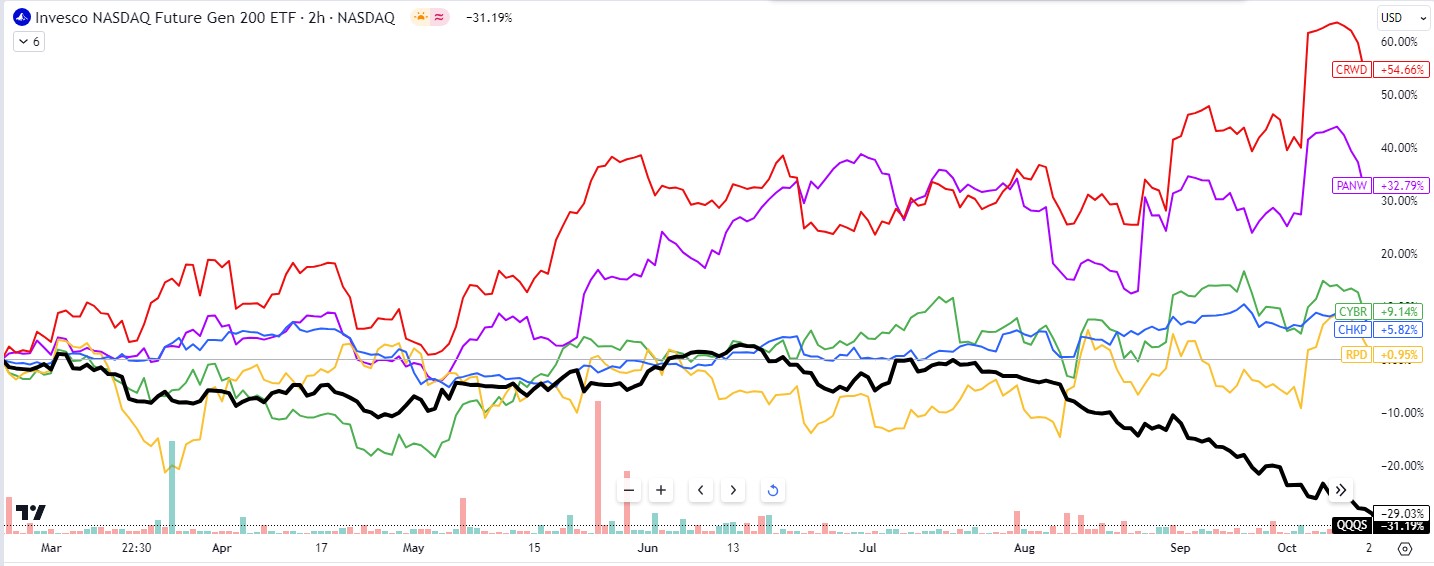
Contrary to those expectations, companies however, have shown relative strength. Let's look at some specific examples in the cyber security space. These are some of the leading exchanged – listed companies in this sector:
Check Point Software (CHKP.us) - an IT security film headquartered in Tel Aviv. Their stock has seen little change since the attack. CHKP develops a range of products and services for IT security worldwide. The company offers a multilevel security architecture, cloud, network, mobile devices, endpoints information, and IOT solutions. It provides a cyber security architecture that protects against fifth generation cyber-attacks across various networks, endpoint, cloud, workloads, Internet of Things, and mobile.
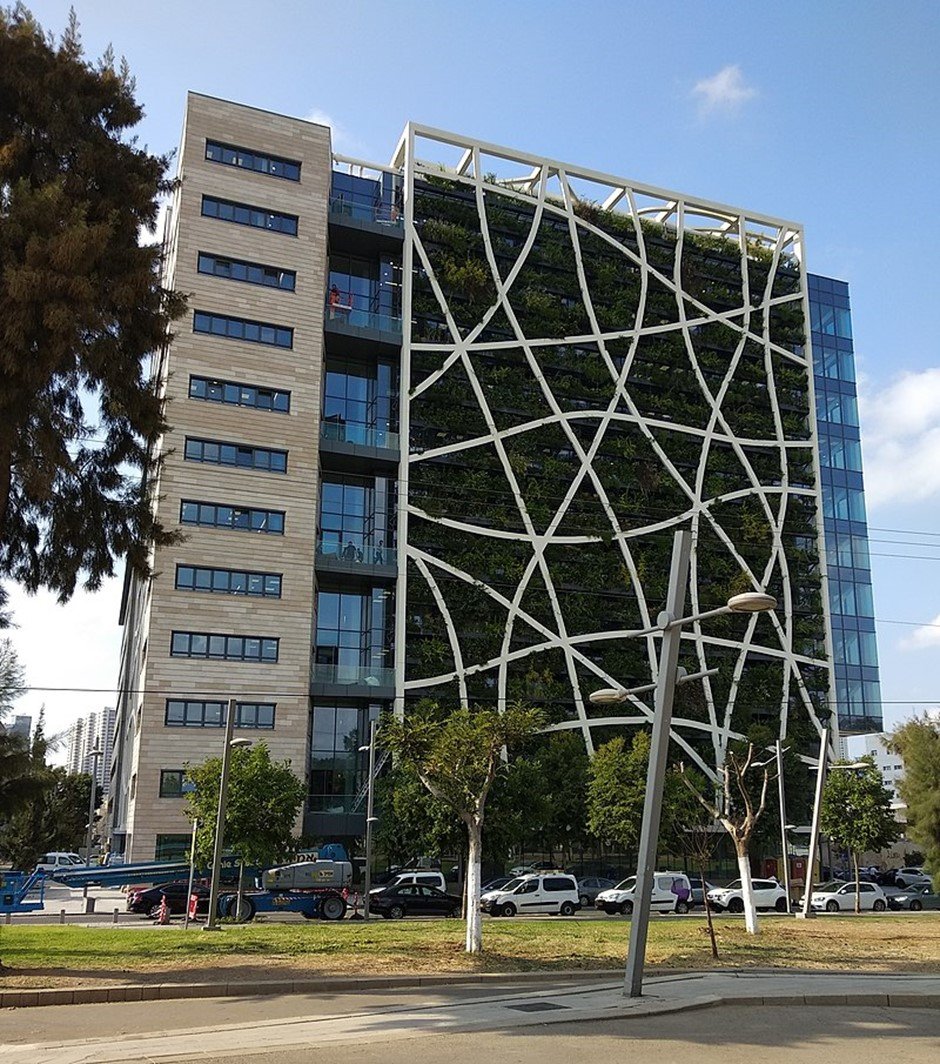
CyberArk Software (CYBR.us) - an Identity management company, headquartered in Tel Aviv, The stock is also remained unchanged since the attack. Together with its subsidiaries, develops and sales software-based security solutions and services in the United States, Israel, Europe, the Middle East, Africa, the United Kingdom, and internationally. Its solutions include Privileged Access Manager that offers risk-based credential security and session management to protect against attacks involving privileged access;
Palo Alto Networks (PANW.us) - made acquisitions in the region and close to acquiring more Israeli start ups. The company offers firewall appliances and software; and Panorama, a security management solution for the global control of network security platform as a virtual or a physical appliance.
Rapid7 (RPD.us) offers a cloud-native insight platform that enables customers to create and manage analytics-driven cybersecurity risk management programs. Its platform includes InsightIDR, an incident detection and response solution;
Crowd strike (CRWD.us) - CrowdStrike Holdings, Inc. is an American cybersecurity technology company based in Austin, Texas. It provides cloud workload and endpoint security, threat intelligence, and cyberattack response services. The company has been involved in investigations of several high-profile cyberattacks
These companies have been moving upwards, in comparison to QQQS, the broader tech ETF, which is in relative decline.
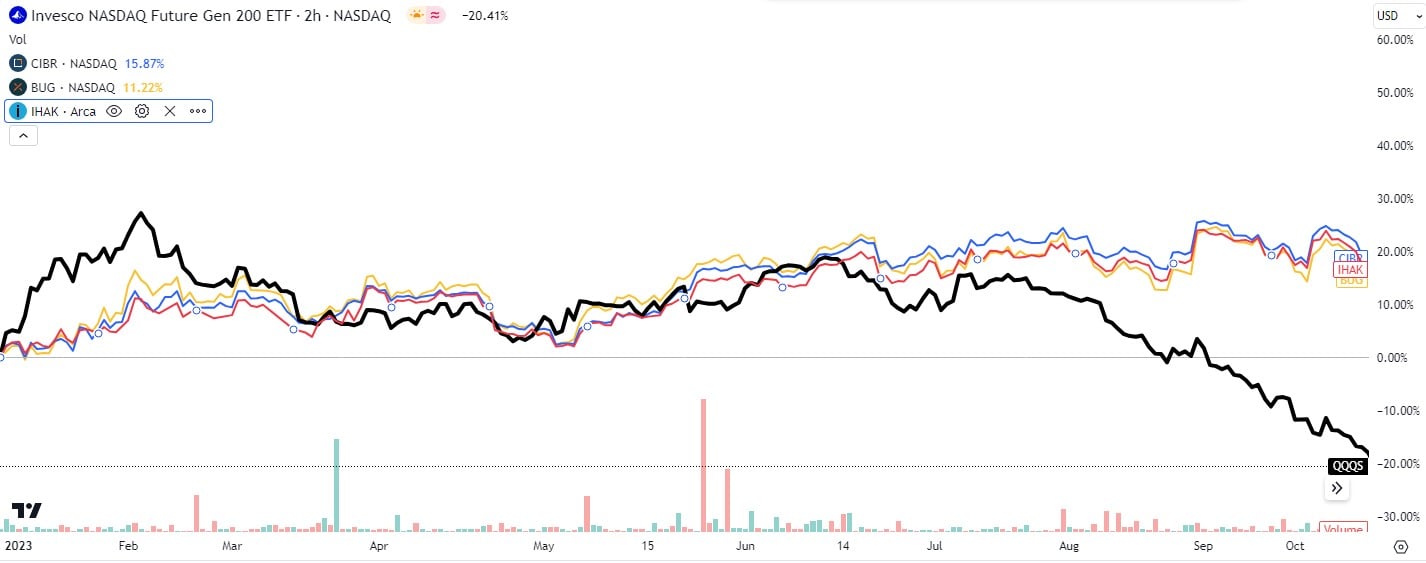
Most Israeli firms in this space, although based in Tel Aviv, are listed on US exchanges. They also appear as key components in ETFs based on software security. Some of the most popular include:
- Global X Cybersecurity ETF (BUG.us)
- First Trust Nasdaq Cybersecurity ETF (CIBR.us)
- iShares Cybersecurity & Tech ETF (IHAK)
Cyber-attacks clearly have the potential to disrupt or damage government systems and businesses. This, therefore remains a key sector to watch, as cyberattacks only seem to be intensifying. Now more than ever, with one of the powerhouses of security software has come under attack.
جميع الآراء والأخبار والأبحاث والتحليلات والأسعار والمعلومات أو الروابط لمواقع طرف ثالث الواردة على هذا الموقع تم توفيرها كتعليقات عامة عن السوق ولا تشكل نصيحة استثمارية. لم يتم إعداد أراء السوق وفقاً للمتطلبات القانونية الرامية إلى تعزيز استقلالية بحوث الاستثمار، وبالتالي ليس هناك أي حظر على تداولها قبل نشرها. بالرغم من عدم إصدار هذا البحث من قبل مصدر مستقل، الا أن FXCM تتخذ الخطوات الكافية لإبعاد ومنع أية تضارب مصالح ناجم عن نشر هذه المعلومات. يلتزم موظفي FXCM بالتصرف بما يحقق مصلحة العملاء وبتمثيل وجهات نظرهم بدون تضليل أو خداع أو الإضرار بقدرة العملاء على اتخاذ قرارات استثمارية مستنيرة. للمزيد من المعلومات حول سياسة FXCM الداخلية المؤسساتية والإدارية لمنع تضارب المصالح، يرجى قراءة سياسة إدارة النزاعات الخاصة بالشركة. يرجى التأكد من قراءة إخلاء المسؤولية الكاملة وتحمل المسؤولية فيما يخص المعلومات المذكورة أعلاه والتي يمكن قرائتها هنا.